
Java Weather by Region: The Best Time to Visit Without Overthinking It
- Home
- Destinations
- Indonesia
- Java
- Java Weather by Region: The Best Time to Visit Without Overthinking It
Java has a clear dry season and a clear wet season, which already puts it ahead of most of the region. But the island is long enough that west and east don't always agree, and the highlands run cooler than the coast year-round. It isn't complicated, but it also isn't uniform.
The short version is simple: the best time to visit Java is usually May to October, with June to September giving the strongest chance of clear volcanoes, temples and long train days. The longer version is more useful. West Java is wetter, the highlands are cooler, East Java is drier, and rainy season does not always mean your trip is ruined so much as it means getting out of bed earlier, and having a day or two up your sleeve if the monsoon really hits.
Java looks straightforward on a climate chart. Dry season, wet season; done. But the island runs a thousand kilometres west to east, and the mountains between Jakarta and Banyuwangi are high enough to influence weather patterns. The west is wetter, the east is drier, and the highlands are cool enough to need a jacket even when the coast is sweating. None of it is extreme, but no one likes being cold and wet.
This guide is not about finding a mythical perfect month when every temple is cool, every volcano is clear, every train runs on time and your hair behaves. That month does not exist. It is about choosing the best weather window for the kind of Java trip you actually want.
The best time to visit Java
Best all-round: May to October — Java’s dry season and the easiest window for first-time trips.
Best for volcanoes: June to September — better sunrise visibility for Bromo, Ijen and highland viewpoints.
Best shoulder months: May and October — useful if you want fewer crowds and can tolerate some rain.
Wettest months: December to February — still possible, but expect humidity, heavier downpours and more disrupted outdoor plans.
Most forgiving route: Yogyakarta → Malang/Bromo → Banyuwangi/Ijen, because Central and East Java are generally easier to manage than wetter West Java.
Java weather in one sentence
Java is warm and humid year-round, with a drier season from roughly May to October and a wetter season from roughly November to April. December, January and February are usually the months where the rain becomes most annoying for travel planning.
But that does not mean every part of Java behaves the same. West Java tends to be wetter. Central Java sits somewhere in the middle. East Java is often the driest and most volcano-friendly part of the island. Higher places such as Dieng, Bromo, Ijen and the Bandung highlands can also be genuinely cool at night, which is rude but useful information.

Dry season: May to October
Dry season is the easiest answer for most Java trips. You get a better chance of clear mornings, easier long-distance travel, less humidity and more reliable conditions for temples, volcanoes, city wandering and train-heavy itineraries.
If your Java plan includes Bromo, Ijen, Dieng or sunrise viewpoints, this is the window I would aim for. You can still get cloud, because mountains have never cared about your itinerary, but June to September usually gives you the strongest chance of seeing the thing you woke up painfully early to see.

If you are booking tours, weather matters
Bromo and Ijen are the Java activities where I would be most weather-aware. If you are booking ahead, choose operators with clear cancellation terms, recent reviews and pickup times that make sense for where you are actually staying.
Useful searches: Mount Bromo tours and Yogyakarta day trips. I would still compare the route carefully, because some Java tours look simple until you notice the pickup is three cities away. Delightful.
Rainy season: November to April
Rainy season in Java does not automatically mean rain all day, every day. Often it means heavy afternoon or evening downpours, humid mornings, dramatic clouds and landscapes that look extremely alive. If your plans are mostly food, trains, cities and flexible wandering, you can still have a very good trip.
The problem is when your whole itinerary depends on clear views, dry trails, pre-dawn mountain roads or beachy optimism. December to February is when I would be most cautious with Bromo, Ijen, waterfalls, national parks and anything involving a long drive into the hills.
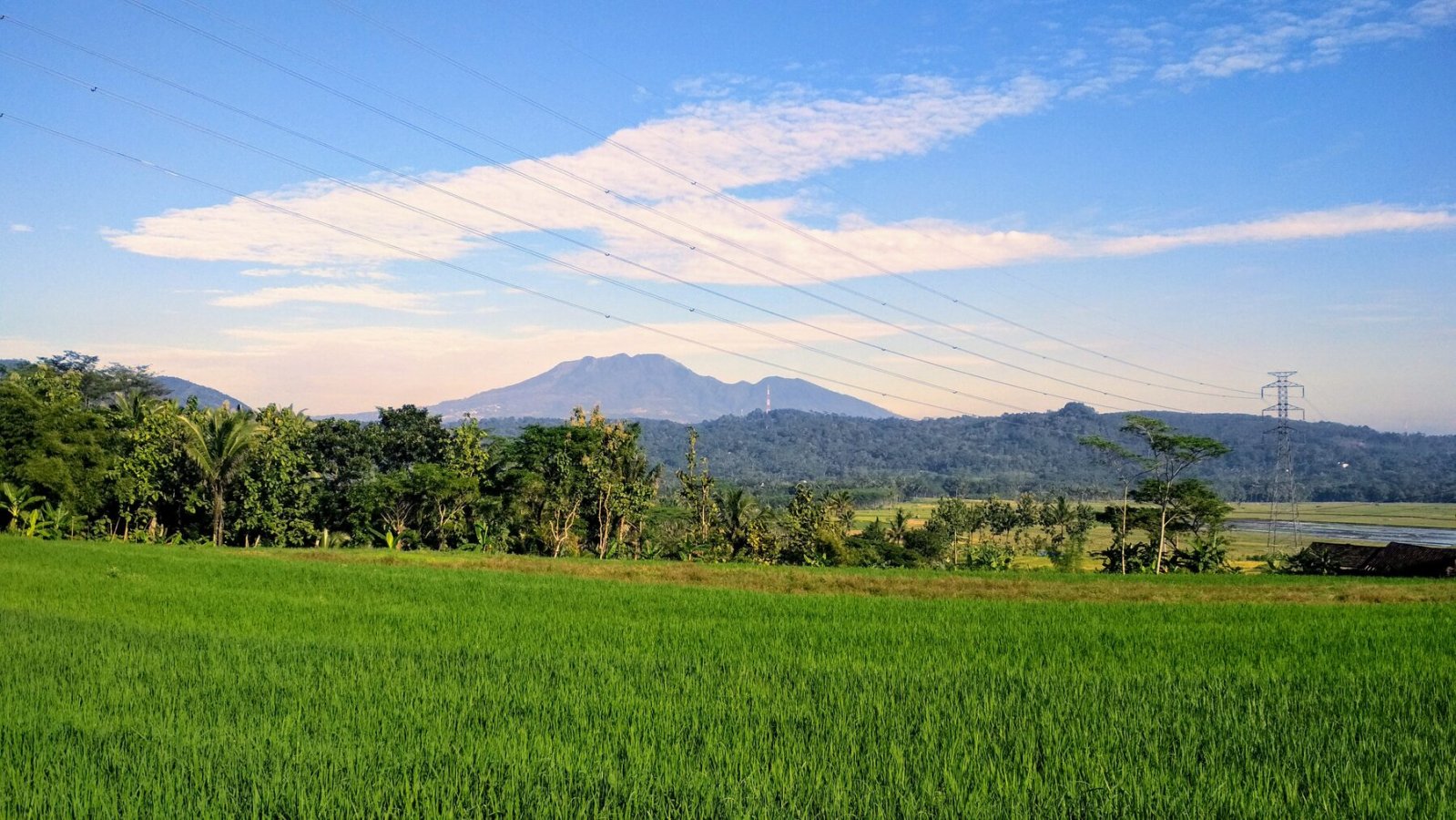
How Java changes by region
Need more detail on where to go?

West Java: wetter, greener, cooler in the highlands
West Java is where you should be most prepared for rain. Jakarta can be hot, heavy and flood-prone in the wettest months, while Bandung and the surrounding highlands are cooler but often cloudier and wetter. If you are planning tea plantations, crater lakes, waterfalls or countryside drives, build in more flexibility here than you think you need.
Crater day trips
Book Bandung highland and crater tours
Bandung is a cool highland base for West Java crater trips, including Kawah Putih, Tangkuban Perahu, Ciater hot springs and the tea country near Ciwidey.
Central Java and Yogyakarta: the most forgiving first-time base
Yogyakarta is one of the easiest places to keep in a Java itinerary even when the weather is not perfect. Temples are better early, city wandering works between showers, and there is enough food, culture and train access to keep the trip moving without needing every day to be perfectly sunny.
Temples and volcanoes
Book Yogyakarta, Borobudur and Prambanan tours
Yogyakarta is the classic Central Java base for Borobudur sunrise, Prambanan temple, the Sultan's Palace, Mount Merapi jeep tours and Malioboro street food.

East Java: best for volcanoes, but still not weather-proof
East Java is usually the best part of the island for volcano-focused travel, especially in the dry season. Bromo, Ijen, Malang and Banyuwangi all make more sense when the roads are drier and the mornings are clearer. Still, this is mountain weather. You can do everything right and still be blocked by clouds after waking up early to see the sunrise.
Volcano adventures
Book Bromo, Ijen and East Java tours
East Java is the classic volcano route: Mount Bromo sunrise from Malang or Cemoro Lawang, the blue fire of Ijen Crater from Banyuwangi, and waterfalls and tea plantations around Malang.
Month-by-month Java weather guide
Java weather by month
January-February: wettest, most humid, least reliable for volcano views and highland travel.
March-April: transitional. Still rainy, but improving. Good if you want fewer crowds and flexible plans.
May: one of the nicest compromise months. Greener landscapes, improving weather, not yet peak dry-season crowds.
June-August: most reliable for volcanoes, temples and long overland routes. Popular for a reason.
September: still strong for outdoor travel, often a little less frantic than July-August.
October: shoulder month. Useful, but rain risk starts creeping back in.
November-December: wet season returns. Fine for cities and flexible trips, less ideal for view-dependent plans.
So, when should you go?
If this is your first Java trip and you want the least weather stress, choose June to September. If you want a softer compromise, choose May or October. If you are travelling in rainy season, do not panic, but plan like a grown-up: put outdoor activities in the morning, avoid impossible one-night volcano missions, and leave space for weather to be weather.
Java is not a beach holiday pretending to be simple. It is a long, volcanic, densely lived-in island where weather changes what makes sense. Get the season roughly right, keep the route realistic, and you will have a much better time than the person trying to squeeze Jakarta, Yogyakarta, Bromo, Ijen and a spiritual awakening into five rainy days.
