
Lombok Weather by Region: The Best Time to Visit (Without Flattening the Island)
- Home
- Destinations
- Indonesia
- Lombok & the Gilis
- Lombok Weather by Region: The Best Time to Visit (Without Flattening the Island)
Lombok's weather is less about distance and more about shape. Rinjani pulls the wettest weather toward the north, the south dries out in its shadow, and the coast you choose can matter almost as much as the month.
For most travellers, the best time to visit Lombok is June to September, when the island is at its driest and day-to-day travel is easiest. May and October can also work well if you want a softer shoulder-season trip. The important detail is that Lombok is smaller than Java, but it is not flat, and the weather is not evenly spread. The north and Rinjani-facing slopes are wetter, the south and south-east are drier, and dry-season beach weather can still come with rougher seas on the exposed south coast.
People always pitch Lombok as "Bali, but quieter." And sure, that sounds great on a brochure, but honestly, it is not much help when you are staring at a calendar trying to pick a month to visit. A better way to look at it is a tropical monsoon island with one seriously oversized mountain plonked right in the middle. And that mountain dictates almost everything the weather does here.
You probably already know the basic rhythm: dry season, wet season, and a couple of transition months on either side. Straightforward. Where it gets more complicated is what happens once you start actually moving around the island. Rinjani does not allow the weather to sit still. So, instead of giving you one blanket answer, here is how the weather actually breaks down on the ground.
The best time to visit Lombok
June to September — This is the easy answer, and for most trips, it is the right one. The skies are generally clear, rain is rare, and you can string together beach days, scooter road trips, and a Rinjani base camp without constantly refreshing a weather app. If it is your first time in Lombok, just go during these months.
May and October — These shoulder months are a bit of a gamble, but I think they are a great one. You will dodge the peak crowds and inflated prices. The trade-off is just a slightly higher chance of a random tropical shower interrupting your afternoon. Not a bad swap.
Planning around Rinjani — The same advice applies: the dry season is your best window for trekking. But seriously, do not lock anything in without checking the current trail conditions first. Closures happen all the time, and a forecast from three months ago will not tell you if the route is actually open today.
December to February — Welcome to the wet season proper. Expect a lot more rain, incredibly green landscapes, and way fewer tourists. It is really not a bad time to visit, just a less predictable one. I always build in some flexibility if I travel now, especially if my plans involve being outdoors.
Lombok weather in one sentence
Lombok is hot and tropical all year, with a long, reliable dry season (May to October) and a shorter, sharper wet season (November to March).
Compared to Java, that is a pretty tidy answer. But the catch is that Lombok packs a ton of climate variety into a really small space. Those dates are just a starting point. Check the actual conditions for the specific beach or mountain town you are heading to, and you will have a much smoother trip.
Wondering about Java?

Why Lombok is not just one climate
The main story here is Mount Rinjani and the massive rain shadow it creates.
Here is how it works: winds push moist air across the island. When that air hits Rinjani, it has nowhere to go but up. As it rises, it cools, and cool air dumps its moisture as heavy cloud and rain. Because of this, the north and the mountain-facing slopes stay incredibly green, cloudy, and damp. By the time that same air drops over the peak to the other side, it has squeezed out most of its moisture, leaving the south and south-east with only the leftovers.
That is exactly why Lombok can feel so inconsistent when you are driving around. The island is small enough to cross in a single day, but the weather does not travel with you. You could have a baking hot beach day in Kuta, a moody waterfall hike near Senaru, and a breezy ride through the foothills — all running completely different forecasts.
Dry season: roughly May to October
The dry season earns its easy-going reputation honestly. The rain drops off, the dirt roads stay clear, the viewpoints actually deliver the views, and you spend way less time doing weather admin. If you just want the simplest, lowest-stress version of the island, June to September is where I would point you.
This is when Lombok looks the most like a postcard: bright blue water, dry roads, and long, unbroken beach days. You can actually string together the Gilis, Senggigi, Kuta, and a Rinjani village without a washed-out day wrecking your schedule.
But dry does not always mean gentle. If you push into the late dry season, the south and south-east start looking properly parched. The lush green fades, water gets scarcer, and the heat stops feeling tropical and starts feeling aggressively exposed. Also, the south coast picks up way more wind and rougher seas during the south-east monsoon, especially facing the Indian Ocean. It is a detail a lot of people miss: the best months on land are not automatically the best months on the water.

Rainy season: roughly November to March
Forget that grey, drizzly mental image you might have. Lombok''s rainy season runs hotter and wilder than that. I have had days where the heat and humidity just build up all morning, the clouds stack thick over the hills, and then bam — a massive, heavy burst of rain that clears out almost as fast as it arrived. Some days stay bright the whole way through; others flip on you with zero warning.
December through February is usually the wettest stretch. Yes, there is a lot of rain, but everything gets a serious glow-up. The rice fields turn this almost-fluorescent green, and the waterfalls actually have water to do the falling. The downside? That same rain can easily flood a road, wash out a hillside, or turn a simple travel day into a chaotic waiting game.
None of that means you should not do a rainy-season trip — it just depends on your travel style. If you are like me and enjoy slow days, good food, hanging out at a villa, and flexible beach time, the rainy season works perfectly fine. But if your plans rely on Rinjani summits, riding scooters on muddy rural roads, or tight boat transfers, you will want to build in a lot more caution.
The transition months: April, May, October and November
May is often my favourite compromise. The island is still lush from the wet season, but the rain is easing off, and travel logistics get noticeably easier every week. October can be great too, especially early on, though it definitely feels like you are knocking on the door of wetter weather. By November, the risk climbs noticeably, especially for anything involving mountain roads or boats.
April is probably the trickiest of the four. It can feel like the wet season is finally loosening its grip, and then a rogue storm rolls through just to prove it has not. If you are flexible, no problem. If you need a tight, no-surprises itinerary, stick to June through September.
How Lombok changes by region
West Lombok and Mataram: practical, warm and moderately wet
West Lombok is basically the logistics hub of the island — it is where you will find Mataram, Senggigi, and the ferry docks. It stays warm year-round and sits comfortably right in the middle of the parched south-east and the damp Rinjani foothills.
If you are here during the wet season, the weather is honestly more annoying than dramatic. Think blocked drains, crawling traffic, and the occasional flooded street when a storm really dumps. It is a super practical place to base yourself, but if you are moving around in January or February, do yourself a huge favour and leave some serious buffer time between your transfers.
North Lombok, Senaru and the Rinjani foothills: wetter, greener, cloudier
Head north, and the whole island shifts to a moody mountain vibe. Senaru and all those little villages leading up to Rinjani are noticeably cooler, way greener, and definitely wetter than the coast.
If you are coming mainly for the waterfalls and rice terraces, the dry season is your easiest bet (though the mountains love to build their own afternoon clouds no matter the month). But I have to say, seeing this area in the wet season is genuinely stunning. Everything turns a crazy shade of lush green. Just do not be careless — those slick mountain trails and wet roads demand a lot of respect when it is pouring.

Book with Klook
Book Rinjani treks and waterfall tours
Find popular experiences for Senaru, Sembalun, and Mount Rinjani:
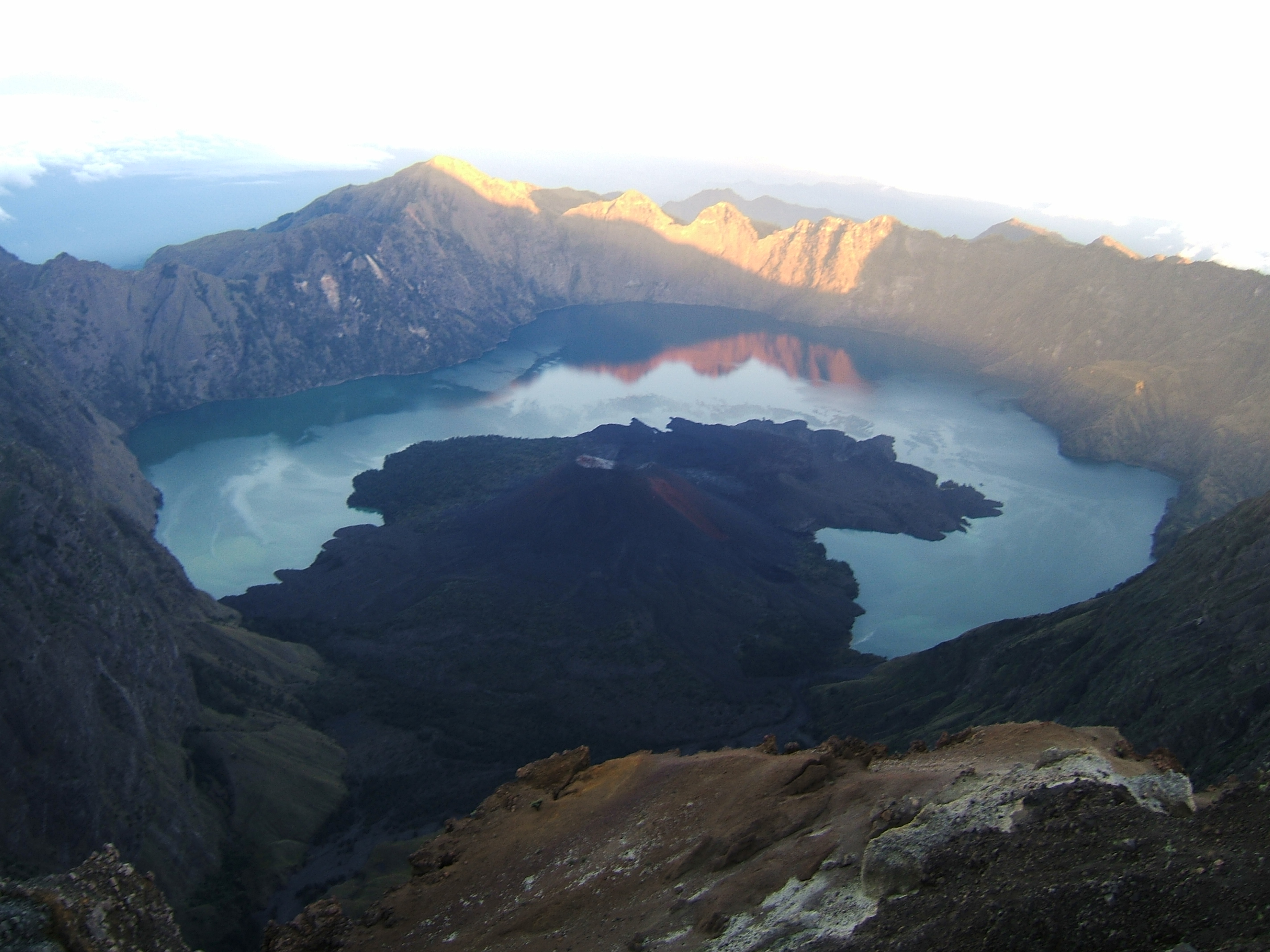
Mount Rinjani Crater Rim Multi-Days Trekking in Lombok

Sembalun Village, Mangku Sakti Waterfall, and Strawberry Picking Day Tour
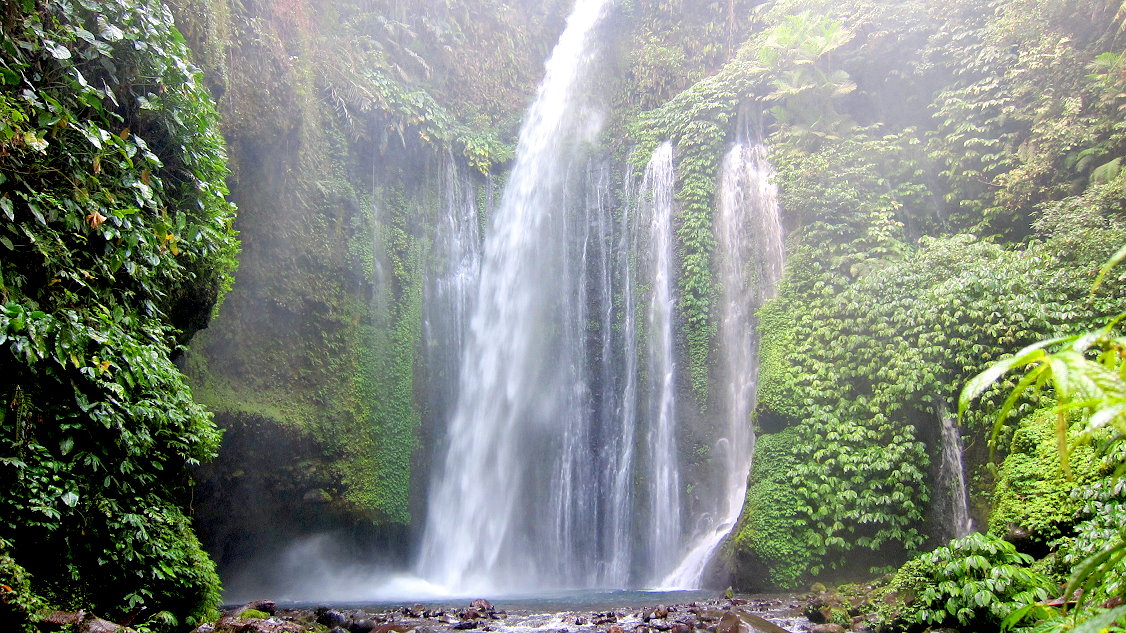
1 Day Trekking Tour: Elephant Cave & Ma Da Valley Jungle Trek
The Gili Islands and the north-west coast: dry-season simplicity, boat-day caveats
The Gilis probably offer the simplest version of Lombok''s weather. Hit them in the dry season and you are looking at effortless beach days, crystal-clear snorkelling, and island-hopping that goes exactly to plan.
But keep in mind, they are still tiny islands out in the open water. Weather averages sound great on paper right up until you actually need a boat and the wind is howling. A quick tip: if you have got a tight flight connection after staying on the Gilis, do not risk taking the last possible crossing. A rough sea day can easily mess up your entire trip home.
Book with Klook
Book Gili island-hopping and snorkelling
Find the best boat trips and snorkelling experiences in the Gilis:
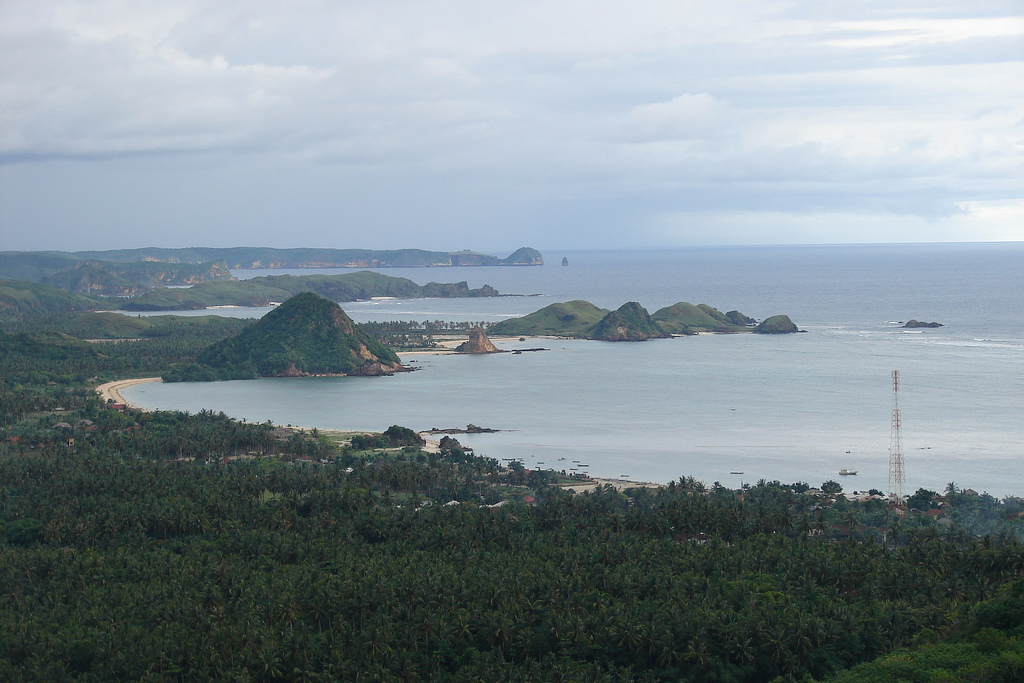
Lombok Gili Islands Private Tour by Glass Bottom Boat
Gili Air Island Snorkeling Tour in Lombok
Gili Nanggu, Gili Sudak, and Gili Kedis Island Day Tour
South Lombok and Kuta: drier, brighter, more exposed
This is where that rain-shadow effect I keep talking about really kicks in. Travelling from the north to the south and you can literally feel the air dry out the further south you go. Because it stays so much drier down here, this stretch is my absolute favourite for renting a scooter and spending the day beach-hopping.
If you go during the dry season, life is basically effortless. You wake up, throw on a swimsuit, and do not even bother checking a weather app. But here is a catch I learned the hard way: this coast faces the open Indian Ocean. Even when there is not a single cloud in the sky, the wind can seriously whip up. I have definitely shown up to a perfect beach only to eat a face full of sand and find the water way too rough for a casual swim. Do not let that stop you from going — just do not make the mistake of assuming no rain automatically equals a flat, glassy ocean.

Book with Klook
Book South Lombok surf and beach tours
Explore Kuta, Senggigi, and the stunning southern beaches:

Surfing Lesson in Kuta Lombok by Nuna Surf School
Tanjung Aan Beach & Bukit Merese One-day Private & Local Village Tour
Pink Beach, Gili Petelu, and Segui Beach Day Tour
East and south-east Lombok: drier, longer dry season, more water stress
This is one of the driest parts of the island. Awesome for weather reliability, but the landscape dries out hard, and water stress becomes super obvious late in the season. It trades sudden lushness for long, steady exposure. It is a beautiful, rougher-edged landscape, but it carries a totally different mood than the north.
Month-by-month Lombok weather guide
Lombok weather by month
January-February: The wettest and most humid. Highest disruption risk for roads, waterfalls, and tight travel plans.
March: Still wet-season influenced, but often beginning to ease. Great for green landscapes if you are flexible.
April: Tricky and transitional. Some days are perfect; some are washouts. Best for adaptable travellers.
May: One of the best compromise months. Greener than peak dry season, much easier than the wet months.
June-September: Core dry season. The best all-round window for first-time trips, beaches, road days, and general reliability.
October: A shoulder month. Often still workable (especially early on), but the wet season is edging closer.
November: The wet season returns. Fine for slow travel, less ideal for weather-dependent missions.
December: Wet, humid, and increasingly stormy. Beautiful if you want the lush greenery, risky if you want everything to run neatly.
What to pack for Lombok weather
Dry season: Light clothing, serious sun protection, and a long-sleeve layer for scooters and coastal winds.
Rainy season: A light rain jacket, waterproof bags for your gear, shoes that can handle muddy streets, and the patience to rearrange your day around heavy showers.
Rinjani and highlands: Real warm layers. Not just "Bali at night" warm — actual mountain layers. Elevation changes things fast.
Boat and beach days: Dry bags, reef-safe sunscreen, and a flexible mindset if marine conditions get rough on the south coast.
So, when should you go?
If this is your first time to Lombok and you want zero weather stress, lock in June to September. If you want fewer crowds and a greener island, aim for May or early October.
If you end up travelling in the rainy season, do not panic. Just be honest with yourself about the kind of trip you want. Slow travel, cafes, and flexible beach days? Totally fine. Rinjani summits, muddy rural roads, and tight boat connections? You are going to need a lot more care.
Lombok''s weather really is not a puzzle you have to solve. As long as you do not expect glass-calm seas in July or dry dirt tracks in January, you are going to be fine. Build a little flex into your plans and just enjoy the ride.
